Application overview

Confectionery Centers

Fruit purees for industrial confectionery centers

Fruit purees provide concentrated fruit identity, natural color, acidity, soluble solids and body for confectionery centers. They are used where manufacturers want a more complete fruit profile than a flavor alone can provide, while still maintaining a smooth, pumpable and depositable center system.

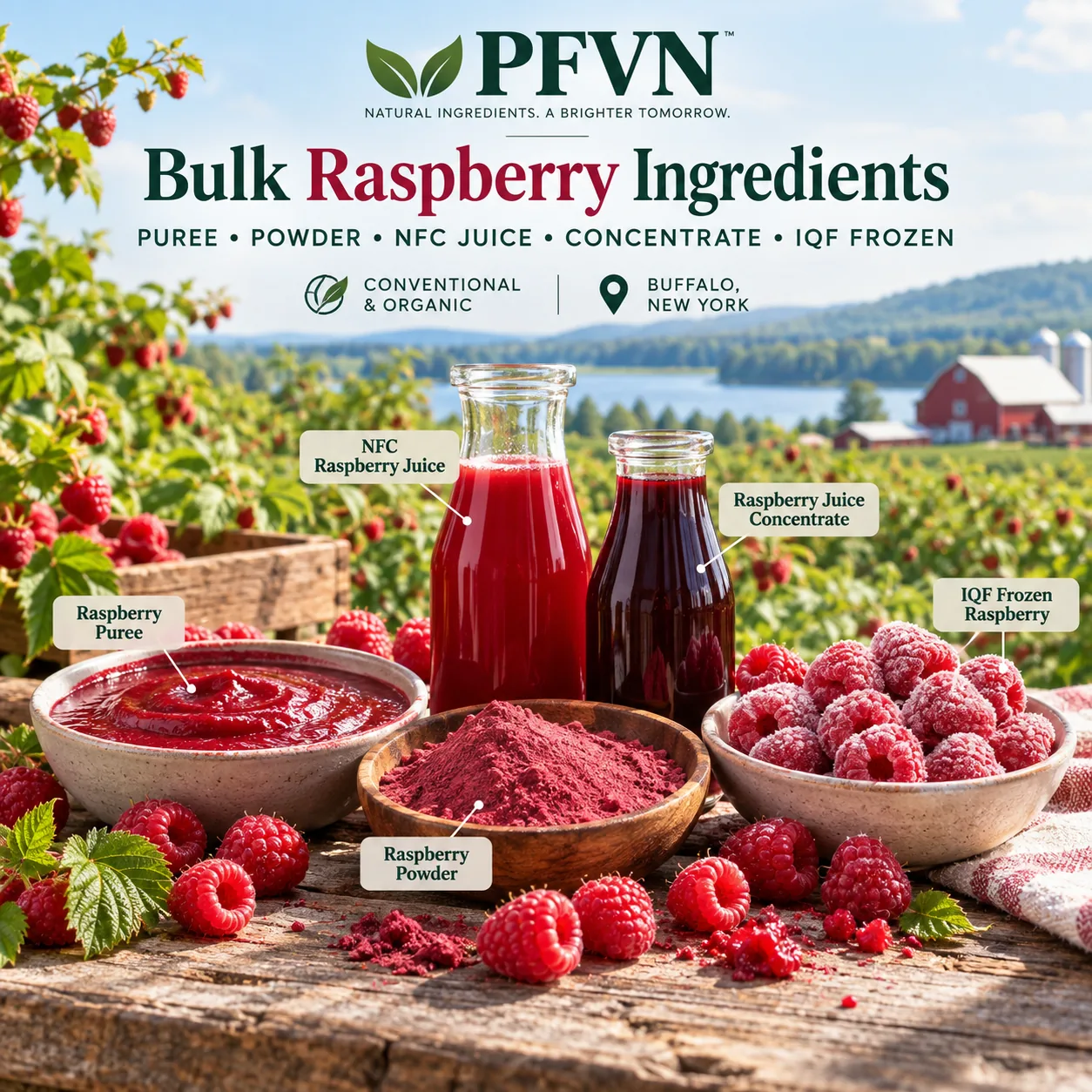
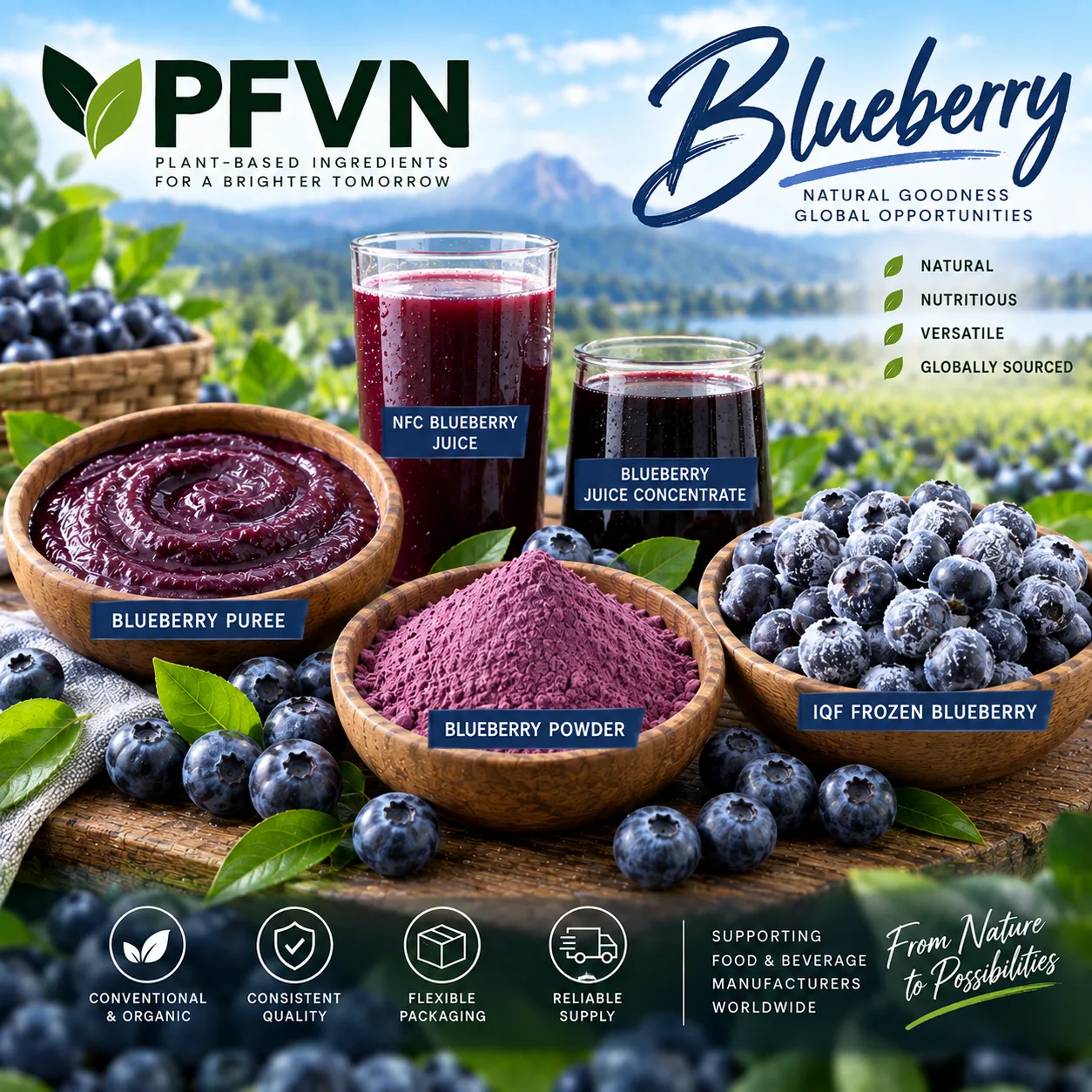
Berry and cherry purees are particularly useful because their natural flavor, acidity and pigments can create distinctive filled chocolates, fruit gels, soft centers and layered confectionery. Darker fruits such as blueberry, blackberry, aronia and açaí provide deeper color and flavor, while raspberry, tart cherry and cranberry can contribute sharper acidity and brighter fruit character.

Fruit puree is also a significant source of water, so its inclusion affects finished solids, viscosity, water activity, cook endpoint and moisture migration. Commercial approval should therefore connect the puree specification directly to the center formulation and shell or coating system.

The fruit itself influences center behavior

Variety, maturity, harvest conditions and origin can influence natural sugar, acid, pigment, pectin and fiber content. These differences can affect flavor intensity, puree viscosity, color and processing yield even when two materials carry the same fruit name.

For applications where deposit weight, gel strength or shell stability are sensitive to raw-material variation, define measurable limits for the puree attributes that actually drive performance.
Qualification reminder: Fruit puree characteristics and commercial programs vary by fruit, variety, crop, origin, processing method and supplier. Confirm current technical specifications, packaging, certifications, storage, shelf life and microbiological criteria before commercial approval.
Fruit characteristics

How different fruit purees influence confectionery centers

Fruit selection determines much of the center's flavor, acidity, color and natural solids profile. The puree should be chosen around the desired confectionery style and processing behavior.

Red berry Raspberry

Provides pronounced berry aroma, bright acidity and red fruit character. Seed or sieve specification can be especially important where a smooth center is required.

Dark berry Blueberry

Offers softer berry acidity with dark blue-purple color. Finished appearance can shift with pH and interactions with dairy, fondant or chocolate components.

Dark berry Blackberry

Provides deep berry flavor, acidity and dark pigmentation. Smoothness and seed removal should be defined according to the desired center texture.

Sour cherry Tart Cherry

Contributes recognizable cherry flavor and pronounced acidity, making it suitable for dark chocolate centers, gels and high-impact fruit fillings.

Sweet cherry Dark Sweet Cherry

Provides a fuller and sweeter cherry profile with dark-fruit character for premium chocolates, truffles and softer fruit centers.

High-acid fruit Cranberry

Offers strong tartness and red fruit character. Its acidity should be considered carefully in high-solids, pectin or gelatin center systems.

Dark fruit Aronia

Provides deep color, tartness and characteristic astringency. It is often most effective where a bold dark-fruit profile is desired.

Tropical dark fruit Açaí

Açaí can provide a distinctive dark-fruit profile for premium confectionery. Commercial puree formats can differ, so composition and solids should be confirmed carefully.

Technical specification

Key puree parameters for confectionery centers

The most useful specification controls the puree properties that influence cook behavior, depositability, center texture, flavor and finished storage stability.

Soluble solids °Brix

Soluble solids influence formulation yield, sweetness and the amount of cooking or added sugar required to reach the finished center target.

Acid profile pH & titratable acidity

Both can affect flavor, gelling systems and color. Acid contribution should be considered together with any additional food acids used in the formula.

Flow Viscosity

Viscosity influences pumping, mixing and depositing. Where it is critical, specify the test method and measurement temperature.

Texture Sieve / finish

Sieve size and finishing determine smoothness, seed content and particle profile. These factors can affect mouthfeel and depositor performance.

Appearance Color

Natural red and purple pigments can respond to pH, heat, oxygen and light. Evaluate color after the complete center process and during storage.

Sensory Flavor & aroma

Approve representative puree for characteristic fruit flavor and absence of fermented, oxidized, excessively cooked or otherwise atypical notes.

Microbiology Incoming criteria

Match microbiological requirements to the puree supply format and the validated confectionery manufacturing process.

Storage Aseptic or frozen format

Confirm the actual commercial storage condition, shelf life and handling procedure after opening or thawing.

High-solids formulation

Balance puree, sugar, acid and structuring ingredients

Fruit puree brings both solids and water into the confectionery center. The formulation must therefore account for puree use level together with sugar, syrups, acids, pectin, gelatin, starch, fat or other structuring ingredients.

When the center is cooked, the puree can influence endpoint solids, viscosity, flavor retention and color. In gelling systems, natural acidity and fruit solids can also affect the rate and strength of set.

Important development variables

  • Puree inclusion rate
  • Finished solids target
  • Final pH and acidity
  • Cook endpoint
  • Gel or center structure
  • Deposit temperature
  • Deposit viscosity
  • Finished water activity
  • Shell compatibility
  • Storage texture
Industrial applications

Where fruit purees are used in confectionery centers

Fruit purees can support both soft and structured center systems where recognizable fruit flavor, color and natural fruit solids are desired.

Chocolate

Filled Chocolates

Fruit purees can form part of soft, gelled or ganache-style centers for molded and enrobed chocolates.

Truffles

Fruit Truffle Centers

Berry and cherry purees provide flavor and acidity in premium truffle systems where fruit character is balanced with chocolate, dairy or fat components.

Gels

Pectin & Gelatin Centers

Purees can be used in structured fruit centers where soluble solids, acidity and gelling conditions are carefully controlled.

Fondant

Fondant & Cream Centers

Fruit puree can provide color, flavor and acidity in fondant or cream-style centers, subject to appropriate moisture and solids control.

Layered confectionery

Fruit Layers & Inserts

Cooked or structured puree systems can create fruit layers inside bars, pralines and multi-component confectionery products.

Soft centers

Caramel & Fruit Combinations

Selected fruit purees can be incorporated into fruit-caramel or hybrid centers where moisture, acidity and dairy interactions are controlled.

Shell compatibility

Control moisture migration between center and coating

One of the most important design issues in confectionery centers is the movement of water between the fruit center and the surrounding shell or coating. A center that is too high in available moisture can soften adjacent layers, promote stickiness or reduce shell quality over time.

The finished system should therefore be evaluated using water activity, solids, center texture and package stability rather than relying only on puree moisture content.

Evaluate during shelf-life testing

  • Center water activity
  • Shell texture
  • Center firmness
  • Moisture migration
  • Bloom or surface changes
  • Stickiness or sweating
  • Flavor migration
Qualification pathway

From kettle trial to depositor

A representative puree sample is useful for screening, but commercial approval should connect incoming puree data with center-processing performance and shelf-life results.

Recommended approval stages

  1. Review the current puree specification and ingredient declaration.
  2. Confirm Brix, pH, acidity, viscosity and sieve finish.
  3. Evaluate representative puree for color, flavor and texture.
  4. Run a bench center at the intended puree inclusion level.
  5. Check cook endpoint, gel or center structure and depositability.
  6. Run a production-representative pilot through the intended depositor.
  7. Evaluate center and shell stability through the required shelf-life period.
  8. Lock the commercial specification, documentation and packaging requirements.

Record the puree lot, use level, analytical values, cook conditions, deposit temperature and finished center results during successful trials. These records help identify which incoming attributes require firm commercial limits.

Heat & sensory stability

Protect fruit flavor and color during cooking

Fruit purees can be exposed to significant heat during center manufacture. Longer cook time can concentrate flavor and solids but may also reduce fresh aroma or shift natural color.

Cook Control heat exposure

Reach the required solids and texture without unnecessarily extending thermal exposure that can flatten fruit aroma.

Acid Manage acid timing

Where additional food acid is used, addition timing can affect pectin systems, flavor balance and process viscosity.

Color Evaluate at final pH

Berry and cherry pigments can change with pH, so approve the color in the final center formulation rather than in the raw puree.

Oxygen Limit unnecessary exposure

Oxidation can reduce fresh fruit character and alter sensitive natural pigments during processing and storage.

Packaging & plant handling

Choose puree packaging around viscosity and batch size

Fruit purees may be supplied in aseptic or frozen bag-in-drum systems, pails, bag-in-box formats, drums or larger bulk configurations where product properties and equipment permit.

Packaging should be evaluated together with storage condition, viscosity, pump capability, batch size and expected residual loss.

Pack size Match the batch

Choose a commercial pack that can be consumed efficiently without unnecessary partial-container storage.

Storage Confirm aseptic or frozen handling

Plan ambient or frozen storage capacity and thawing procedures before commercial approval.

Pumping Check viscosity

High-viscosity purees may require different pumps, hose sizes and transfer procedures than more fluid products.

Yield Review container evacuation

Residual puree in drums, liners and transfer lines can influence practical ingredient yield and production cleanup.

Open packs Define handling time

Establish appropriate procedures for opened or thawed product according to the validated production process and supplier guidance.

Logistics Evaluate delivered cost

Pack configuration, palletization, frozen freight and destination can materially affect the commercial economics of puree supply.

Troubleshooting

When center performance changes

Compare incoming puree data, formulation records and process settings with the approved benchmark before changing the recipe. Fruit variation and process conditions should be evaluated separately wherever possible.

Development check

Center is too fluid

Review puree Brix, viscosity, cook endpoint, solids balance and deposit temperature.

Development check

Gel is weak or inconsistent

Check puree acidity, additional acid timing, soluble solids, cook endpoint and the selected gelling system.

Development check

Center becomes sticky

Review finished solids, water activity, moisture migration, storage temperature and package barrier.

Development check

Flavor is muted

Compare puree use level, cook exposure, fruit lot and flavor after equilibration with the surrounding chocolate or coating.

Development check

Color shifts

Evaluate pH, heat exposure, oxygen and interaction with chocolate, dairy or other center ingredients.

Development check

Deposit weight varies

Review center temperature, viscosity, depositor settings and puree consistency across the production run.

Quality & documentation

Confectionery puree QA and supplier documentation

The commercial specification should identify the puree properties that materially affect cooking, depositing and finished center stability. Supplier documents should correspond to the exact fruit, process and supply source being offered.

  • Current technical specification
  • Ingredient declaration
  • Certificate of Analysis where applicable
  • °Brix / solids specification
  • pH and acidity specification
  • Viscosity / sieve information where relevant
  • Microbiological specification
  • Allergen statement
  • Country-of-origin information
  • Organic or other certification documents where required
  • Storage and shelf-life information
  • Packaging specification
Commercial evaluation

Compare puree cost together with usable yield

Commercial puree economics depend on more than price per kilogram. Solids level, cook loss, packaging, frozen or aseptic logistics, residual product and formulation yield can all influence the actual cost of the finished center.

Solids Compare equivalent concentration

When two purees differ in soluble solids or overall composition, compare how much is required to reach the same finished center target.

Yield Account for cook loss

A puree with different water or solids content can change cooking time, evaporation and final batch yield.

Crop Review seasonal supply

Fruit harvest volume and origin can influence availability, pricing, sensory profile and lead time.

Packaging Consider residual loss

Drum evacuation, liner residue and transfer loss should be considered when comparing effective ingredient cost.

Cold chain Include storage and freight

Frozen supply may carry different transport and warehouse costs from aseptic ambient programs.

Volume Share annual demand

Providing realistic trial quantity, commercial order size and annual usage helps suppliers evaluate production and pricing feasibility.