Application overview

Cold-Filled Beverage Formulation

NFC fruit juices for refrigerated and controlled cold-fill systems

Cold-filled beverages use fruit ingredients without relying on the filling step itself to provide a high-temperature treatment. For that reason, ingredient quality, hygienic processing, finished-product pH, validated microbiological controls, package sanitation and storage conditions become particularly important parts of the overall beverage system.

NFC and single-strength juices provide natural fruit flavor, acidity, soluble solids, color and, depending on the product, cloud or pulp. Citrus juices such as orange, lemon, lime, grapefruit, blood orange, mandarin and tangerine are especially relevant because their acid and aroma profiles suit refrigerated juices, lemonades, citrus drinks and premium fruit beverages. Strawberry can add softer berry flavor and red-fruit character to blended cold-filled products.

The ingredient should be qualified together with the intended finished process. A juice that performs well in a pasteurized hot-fill system cannot automatically be assumed to perform identically in a cold-fill program, where raw-material microbiology, refrigerated handling and post-process contamination control can carry greater importance.

Fruit identity affects both formulation and processing

Variety, maturity, crop season and origin influence natural °Brix, acidity, aroma, bitterness, color and juice yield. Citrus varieties can differ substantially in acid-to-sugar balance and aromatic profile, while berry juices may show greater variation in color and suspended solids.

Commercial approval should therefore use a defined technical and sensory specification rather than relying only on the fruit name.

Process reminder: Cold filling should be evaluated as part of a validated beverage manufacturing and food-safety system. Ingredient specifications, finished-product formulation, sanitation, packaging, storage temperature, shelf life and microbiological criteria should be established for the particular product and process rather than assumed from a generic juice specification.
Fruit characteristics

Choosing fruit for cold-filled beverages

Different fruits contribute distinct combinations of sweetness, acidity, aroma, bitterness, pigments and suspended solids. Those characteristics affect both sensory design and physical beverage stability.

Sweet citrus Orange

Provides familiar sweet-acid balance, orange aroma and natural cloud. Variety and crop maturity can materially influence soluble solids and acidity.

Acid citrus Lemon

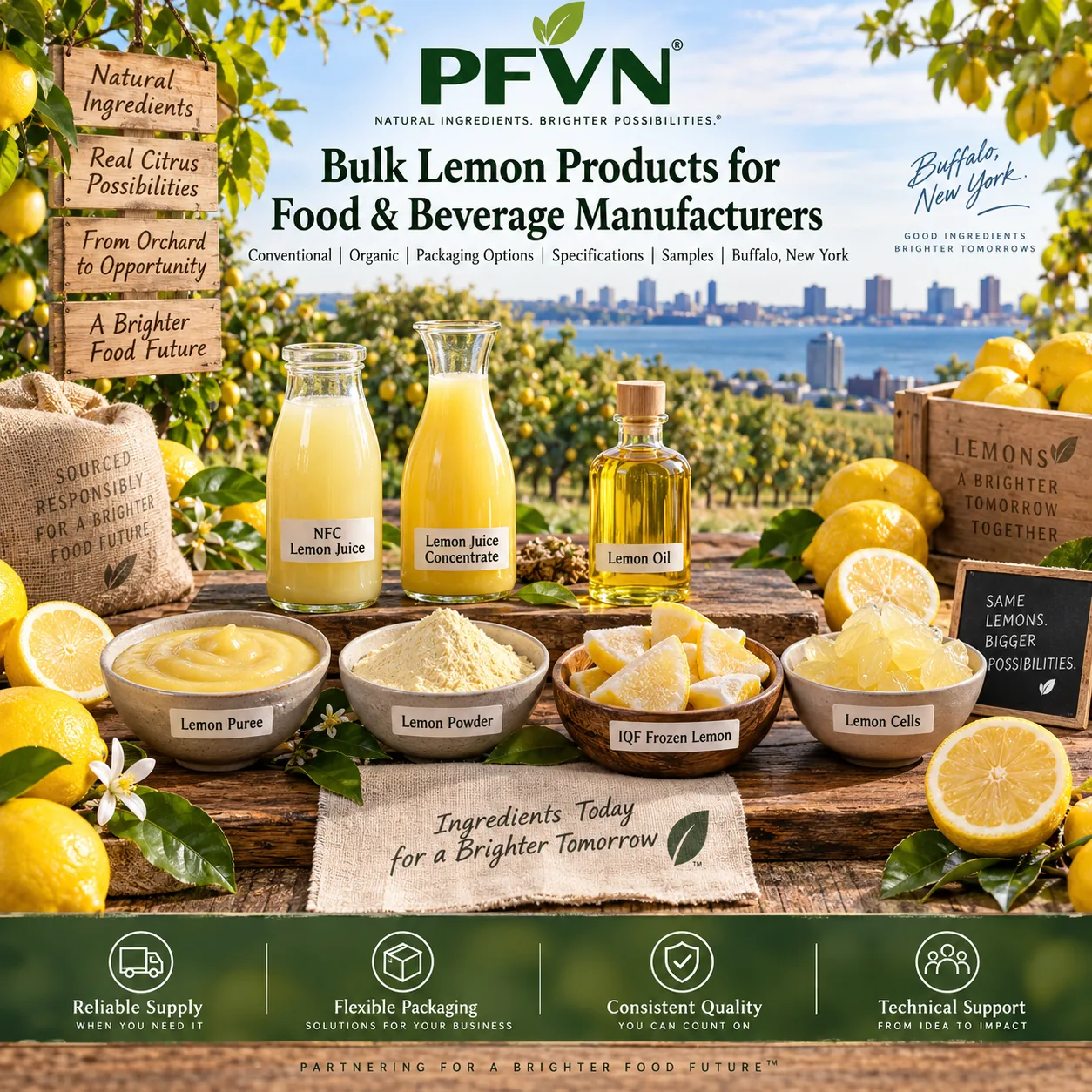
Provides bright acidity and characteristic citrus aroma for lemonades, mixers and multi-fruit beverages. Acid contribution should be included in the complete finished formulation.

Sharp citrus Lime

Offers intense acidity and fresh aromatic character. Even relatively modest use levels can strongly influence flavor and final acid balance.

Bitter citrus Grapefruit

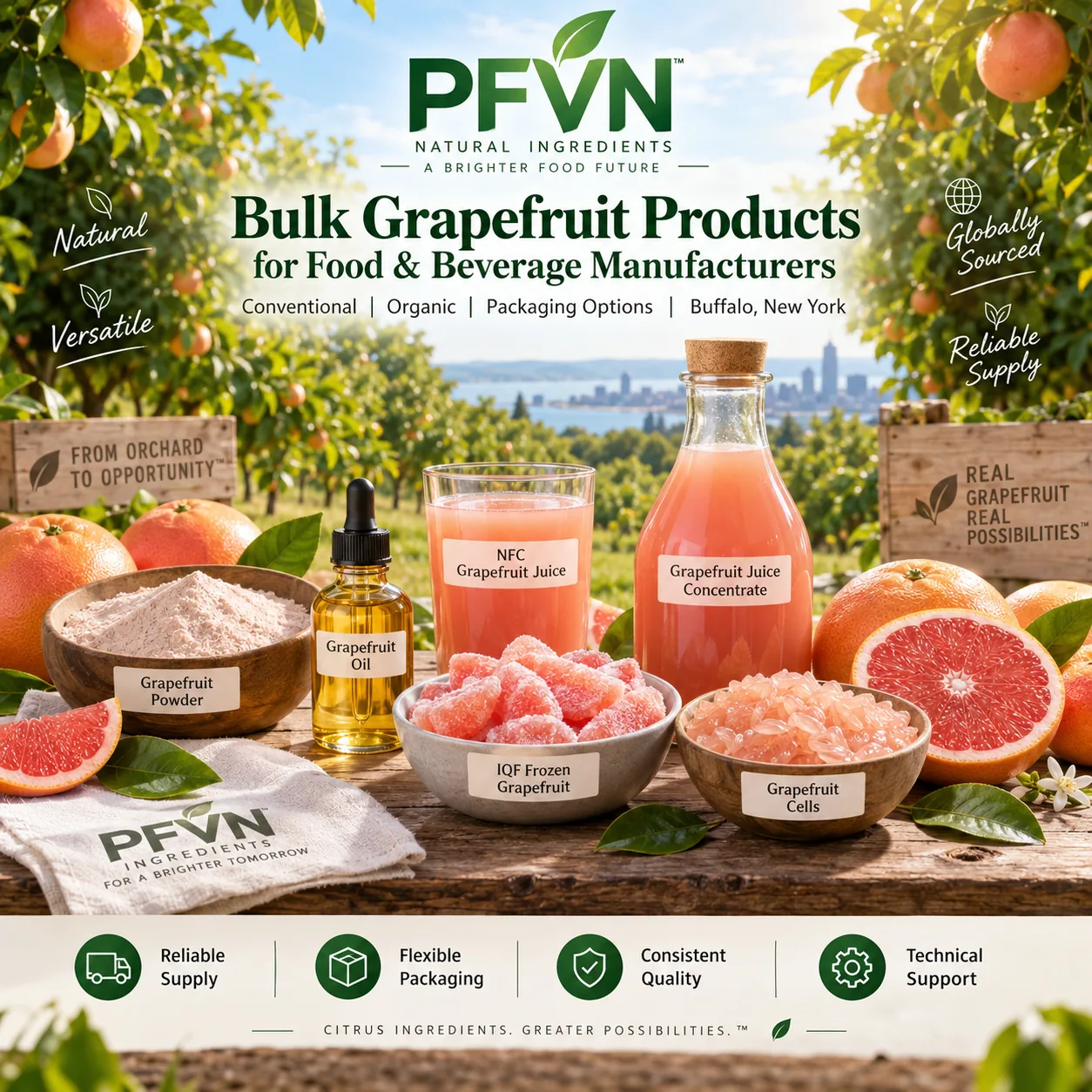
Combines acidity with characteristic bitterness and aromatic complexity, making it suitable for premium adult-oriented beverages and citrus blends.

Colored citrus Blood Orange

Provides orange flavor with distinctive red-toned pigments. Finished beverage color should be evaluated through the full refrigerated shelf life.

Mild citrus Mandarin Orange

Typically offers a softer, sweeter citrus profile and pronounced aroma, useful for premium juice drinks and blended refrigerated beverages.

Aromatic citrus Tangerine

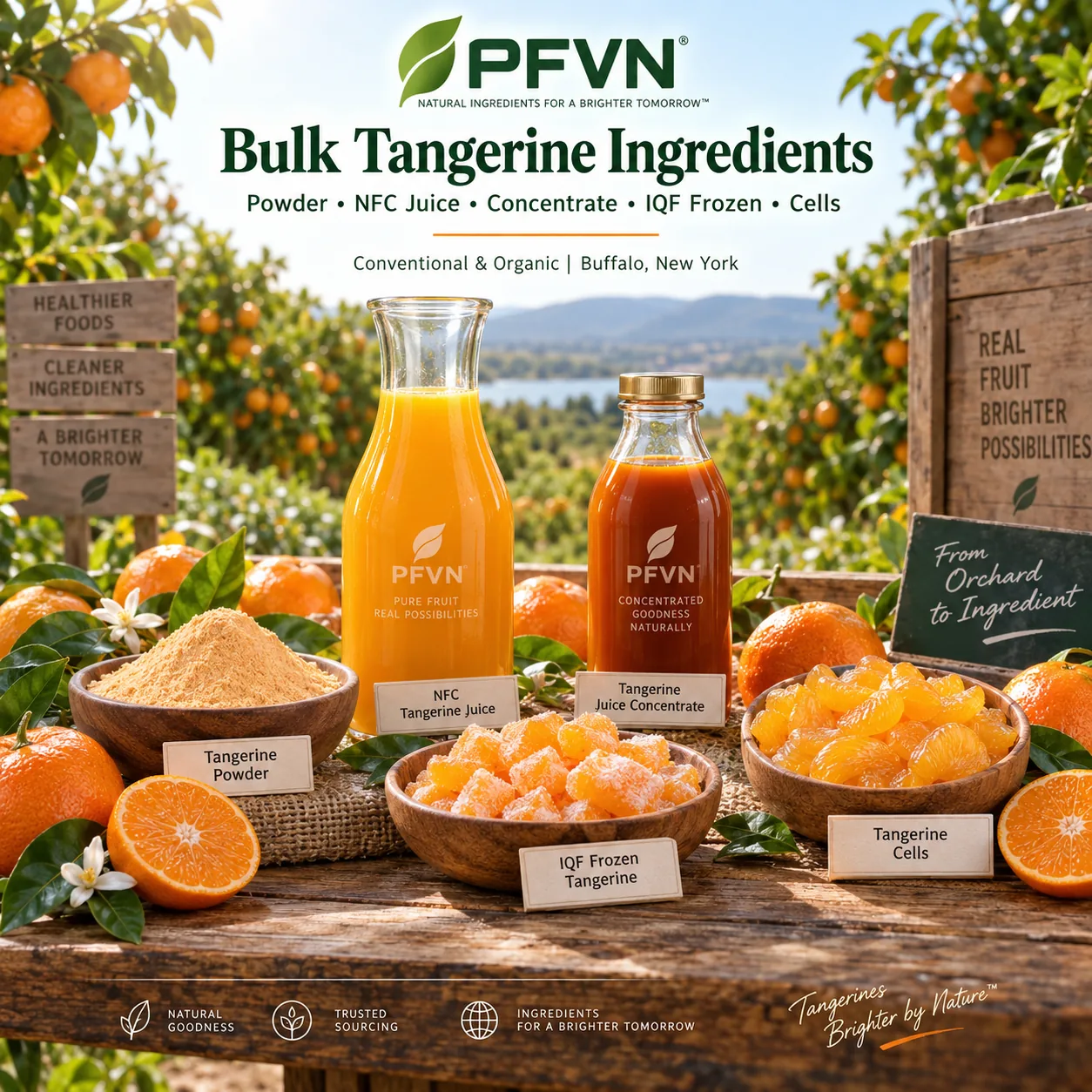
Provides recognizable sweet-citrus aroma and can strengthen fruit identity in orange-family blends and premium chilled beverages.

Red berry Strawberry

Contributes familiar berry aroma and red-fruit character. Color, suspended solids and aroma stability should be evaluated in the complete cold-filled system.

Technical specification

Key NFC juice parameters for cold-fill programs

The ingredient specification should focus on the properties that affect beverage formulation, hygienic control, physical stability and finished sensory consistency.

Identity NFC / single-strength identity

Confirm juice type, fruit identity and whether the product is clarified, cloudy or pulp-containing. Variety may also be relevant for selected citrus programs.

Soluble solids Natural °Brix

Natural soluble solids contribute sweetness and fruit solids. Expected values vary according to fruit, variety, maturity and crop.

Acid profile pH & titratable acidity

Review both parameters because they influence flavor and the overall beverage system in different ways.

Physical profile Cloud & pulp

Define acceptable cloud, pulp, sediment or separation behavior according to the intended visual style and filling equipment.

Appearance Color

Natural fruit pigments may respond to oxygen, light, pH and storage time. Approve color in the finished beverage and intended package.

Sensory Flavor & aroma

Approve characteristic fruit profile and screen for fermented, oxidized, stale or otherwise atypical notes.

Microbiology Incoming criteria

Define appropriate incoming microbiological requirements as part of the validated beverage process and supplier qualification program.

Supply condition Aseptic, chilled or frozen

Confirm storage state, shelf life, handling after opening and any thawing requirements for the exact commercial product.

Cold-fill process design

Manage the complete microbiological control system

A cold-fill line does not rely on a hot product entering the package to provide the same thermal exposure associated with hot filling. Ingredient condition, blending hygiene, equipment sanitation, package preparation and post-fill storage therefore need to work together within the validated process.

The specific control strategy depends on the beverage. Some products rely on refrigerated distribution, some on an independently validated treatment before filling, and some may incorporate additional formulation or preservation hurdles where permitted and appropriate.

Process elements to define

  • Incoming juice microbiological specification
  • Finished beverage formulation
  • Validated processing step where applicable
  • Blending and holding conditions
  • Filler hygiene
  • Package and closure preparation
  • Maximum process hold times
  • Cold-chain requirements
  • Finished-product testing
  • Validated shelf-life conditions
Formulation architecture

Balance fruit, sweetness, acid and physical stability

NFC juices contribute water as well as fruit solids. Their use level therefore affects finished Brix, sweetness, acidity, cloud, density and flavor intensity. Formulation should be developed around the final beverage rather than simply substituting one juice for another on a volume basis.

Use level Define the fruit contribution

Determine whether the juice is the primary fruit component, part of a blend or a secondary acidity and aroma contributor.

Sweetness Balance natural and added solids

Account for natural juice soluble solids when setting the finished sweetness system and target °Brix.

Acidity Manage sensory balance

Lemon, lime and grapefruit can have a stronger acid impact than orange or mandarin, so inclusion levels should be evaluated against the complete sweet-acid profile.

Cloud Define the visual target

Cloudy juices may support a natural appearance but can require additional attention to sedimentation and package appearance.

Pulp Match particles to the line

Juice containing pulp should be evaluated for compatibility with pumps, valves, screens, filler nozzles and package openings.

Oxygen Protect fresh fruit character

Limit unnecessary oxygen pickup where oxidation could reduce citrus aroma or change natural pigments during refrigerated storage.

Industrial applications

Major applications for cold-filled NFC fruit juices

Cold-filled fruit systems are particularly relevant where manufacturers want fresh-style sensory character, refrigerated positioning or reduced heat exposure after formulation.

Juice beverages

Premium Refrigerated Juices

NFC citrus and fruit juices are natural starting materials for refrigerated premium juice and juice-blend programs.

Citrus beverages

Lemonade & Limeade

Lemon and lime NFC juices provide direct fruit acidity and aroma for refrigerated lemonade, limeade and mixed-citrus beverages.

Juice blends

Multi-Fruit Beverages

Orange, mandarin, tangerine, grapefruit, blood orange and berry juices can be combined to create differentiated refrigerated blends.

Functional

Wellness & Functional Drinks

Fruit juices can provide the flavor and acid foundation for refrigerated beverages containing additional functional ingredients.

Small format

Juice Shots

High-flavor citrus juices are useful in concentrated refrigerated shot-style beverages where strong fruit character is desired.

Mixers

Cocktail & Mocktail Mixers

Lemon, lime, grapefruit and orange-family juices are widely applicable in chilled mixers where fresh citrus character is important.

Tea & juice

Tea-Fruit Beverages

Citrus and strawberry juices can support refrigerated tea-and-fruit combinations where aroma and acid balance are central to the sensory profile.

Foodservice

Chilled Beverage Programs

NFC juices can be used in refrigerated foodservice beverage bases and ready-to-serve programs subject to validated handling and cold-chain controls.

Qualification pathway

From bench blend to refrigerated package

Commercial approval should connect incoming juice characteristics with the intended cold-fill process and finished shelf-life performance.

Recommended approval stages

  1. Review the current juice specification and ingredient declaration.
  2. Confirm Brix, pH, acidity, cloud or pulp and sensory profile.
  3. Review incoming microbiological requirements and supply condition.
  4. Run a bench formula at the intended juice inclusion rate.
  5. Run a pilot using production-representative processing, filling and packaging.
  6. Evaluate physical, microbiological and sensory stability under intended storage conditions.
  7. Lock the commercial specification, packaging and documentation requirements.

Record the juice lot, analytical values, formulation use level, processing conditions and finished-product results from successful trials. These records create a benchmark for future lots and alternate suppliers.

Cold-chain management

Protect juice quality from receipt through filling

For chilled and frozen juice programs, storage and staging conditions are part of ingredient management. Temperature abuse or excessive hold time can affect both sensory quality and the assumptions behind the validated production process.

Receiving Verify shipment condition

Confirm the delivered product matches the required commercial storage state and lot documentation.

Storage Maintain required conditions

Store the ingredient according to the supplier's specified conditions and plant handling procedures.

Thawing Plan frozen-juice staging

Where frozen juice is used, define a controlled thawing method that supports efficient transfer and appropriate product handling.

Open packs Control exposure time

Establish validated procedures for opened containers and avoid unnecessary extended holding before use.

Production Limit warm holding

Map ingredient and blended-product hold times through staging, mixing and filling as part of the process design.

Distribution Maintain the finished cold chain

Where refrigeration is part of the finished-product control system, distribution and retail conditions should match the validated shelf-life program.

Color, aroma & shelf life

Cold filling can preserve fresh character—but storage still matters

Reduced post-formulation heat exposure can help retain fresh fruit character, but oxygen, light, temperature and time can still cause sensory or visual changes during storage.

Aroma Citrus volatiles

Orange, lemon, lime, mandarin and tangerine aroma can decline with oxidation, so oxygen management and package selection are important.

Color Natural pigment stability

Blood-orange and strawberry color may respond to pH, oxygen, light and storage temperature.

Cloud Physical separation

Monitor settling, cloud loss, pulp separation or ring formation throughout the intended refrigerated shelf life.

Sensory End-of-life evaluation

Assess aroma, flavor, acidity and overall acceptability at production release and throughout the intended distribution period.

Packaging & plant handling

Select the juice package around storage and production scale

NFC and single-strength juices may be supplied in pails, bag-in-box systems, drums, totes or other liquid formats depending on the fruit, supplier and processing program.

Commercial pack selection should account for storage condition, batch size, expected usage rate, pulp level and plant transfer equipment.

Usage rate Match pack size to the batch

Select a pack that can be consumed efficiently within the validated handling window after opening.

Storage Plan capacity in advance

Confirm whether ambient, chilled or frozen storage is required before approving the commercial program.

Transfer Check juice and pulp handling

Cloudy or pulp-containing juices may require different pumps, valves or screens from clarified products.

Sanitation Include the ingredient path

Consider hoses, pumps, connections and temporary holding vessels as part of the hygienic processing system.

Freight Account for natural-strength water

NFC juice carries substantially more water than concentrate, making freight and refrigerated storage important commercial considerations.

Logistics Review pallet efficiency

Pack dimensions, net weight, shipment frequency and storage temperature can materially affect delivered cost.

Troubleshooting

When cold-filled beverage performance changes

Compare incoming juice data, process records and storage history with the approved benchmark before changing the formulation.

Development check

Flavor loses freshness

Review oxygen pickup, juice age, storage temperature, package barrier and time between blending and filling.

Development check

Sediment or ring develops

Check juice pulp, cloud, density differences, stabilizer system and package storage conditions.

Development check

Finished Brix varies

Compare incoming juice Brix, water addition, sweetener dosage, weighing accuracy and sampling method.

Development check

Acidity varies between batches

Compare incoming pH and titratable acidity with crop and lot data and verify dosing of other acidifying ingredients.

Development check

Color changes during storage

Review pH, oxygen, light, storage temperature and the pigment characteristics of the selected juice.

Quality check

Shelf-life result changes

Review ingredient lot, sanitation records, process conditions, package integrity and actual storage history against the validated benchmark.

Quality & documentation

Cold-fill beverage QA and supplier documentation

The commercial specification should define the juice characteristics that affect formulation and process consistency. Quality documentation should correspond to the exact juice, manufacturing source and commercial program being supplied.

  • Current technical specification
  • Ingredient declaration
  • Certificate of Analysis where applicable
  • °Brix / soluble-solids specification
  • pH and titratable acidity
  • Cloud / pulp information where relevant
  • Microbiological specification
  • Allergen statement
  • Country-of-origin information
  • Organic or other certification documents where required
  • Storage and shelf-life information
  • Packaging specification
Commercial evaluation

Compare juice programs on delivered and usable cost

NFC juice economics depend on fruit type, origin, crop conditions, packaging, storage temperature, freight and formulation use level. Natural-strength juice should therefore be evaluated as a complete supply program.

Use level Compare finished-formula cost

Evaluate the amount of juice required to achieve the desired fruit character rather than comparing raw-material price alone.

Crop Consider seasonal availability

Harvest timing and crop volume can affect availability, sensory profile, lead time and commercial pricing.

Origin Qualify alternates where needed

Multiple approved origins can support continuity, but each should be evaluated against the same analytical and sensory criteria.

Cold chain Include storage costs

Chilled or frozen juice programs may require refrigerated freight, cold storage or thawing capacity that affects total delivered economics.

Packaging Consider handling efficiency

Drum, bag-in-box and tote formats create different labor, residual-loss and warehouse requirements.

Volume Share annual demand

Providing realistic trial quantity, order frequency and annual requirements helps evaluate production planning and commercial feasibility.